How to Plan a Zero-Waste Registration Process for Your Event
Event registration is the gateway to every attendee’s experience. It’s the first impression they’ll have of your event – and it’s also one of the most overlooked opportunities to reduce waste.
For organisers committed to sustainability, the registration area is often the biggest contributor to single-use materials: paper tickets, plastic wallets, throwaway pens, excess signage, printed programmes, and more. But it doesn’t have to be this way.
At Hunter Operations, we work with event planners across the UK to transform registration from a waste-generating bottleneck into a smooth, low-impact, eco-conscious welcome. In this in-depth guide, we’ll show you how to plan a zero-waste registration process – from strategy and materials to operations and delegate engagement.
Why Focus on Registration?
Registration sets the tone. It’s where you:
• Welcome attendees
• Distribute badges and materials
• Provide event info and access credentials
• Make the first brand impression
It’s also historically where tonnes of waste is generated:
• Plastic badge holders and wallets
• Laminated schedules
• Branded bags filled with brochures
• Excess signage, tape, paper lists, and clipboards
A zero-waste registration process isn’t just better for the environment – it’s also faster, cleaner, and more modern. In fact, it can signal to attendees that sustainability is a key value underpinning your entire event.
What Does “Zero-Waste” Really Mean?
Zero-waste doesn’t mean no materials used. It means:
• Nothing goes to landfill
• Everything is recycled, composted, reused or returned
• The process supports a circular economy
Core Principles:
1. Refuse what you don’t need (e.g. plastic wallets)
2. Reduce what you do need (e.g. minimise signage)
3. Reuse wherever possible (e.g. badge holders)
4. Recycle or compost the rest (e.g. paper, seed paper, RPET)
Planning for zero-waste registration means thinking about lifecycle, not just logistics. It means selecting materials, designing the attendee flow, and working with suppliers who understand and share your sustainability goals.
Step 1: Start with Sustainability Goals
Before you can reduce waste, you need to define what success looks like.
Questions to Ask:
• What percentage of registration materials can be compostable or recyclable?
• Can badge holders be reused or returned?
• Are you aiming for carbon neutrality or ISO 20121 alignment?
• Will you promote a “leave no trace” message to attendees?
Set SMART goals:
• “Eliminate all single-use plastic from registration”
• “95% of badge materials to be recycled or composted”
• “Use digital check-in to reduce printed lists by 100%”
Once goals are clear, they’ll guide every procurement and design decision. These objectives can also be used to track your progress and demonstrate success to stakeholders, sponsors, and delegates.
Step 2: Choose Sustainable Badges and Lanyards
This is where most registration waste happens. Fortunately, there are now many sustainable alternatives that don’t compromise on branding.
Badges:
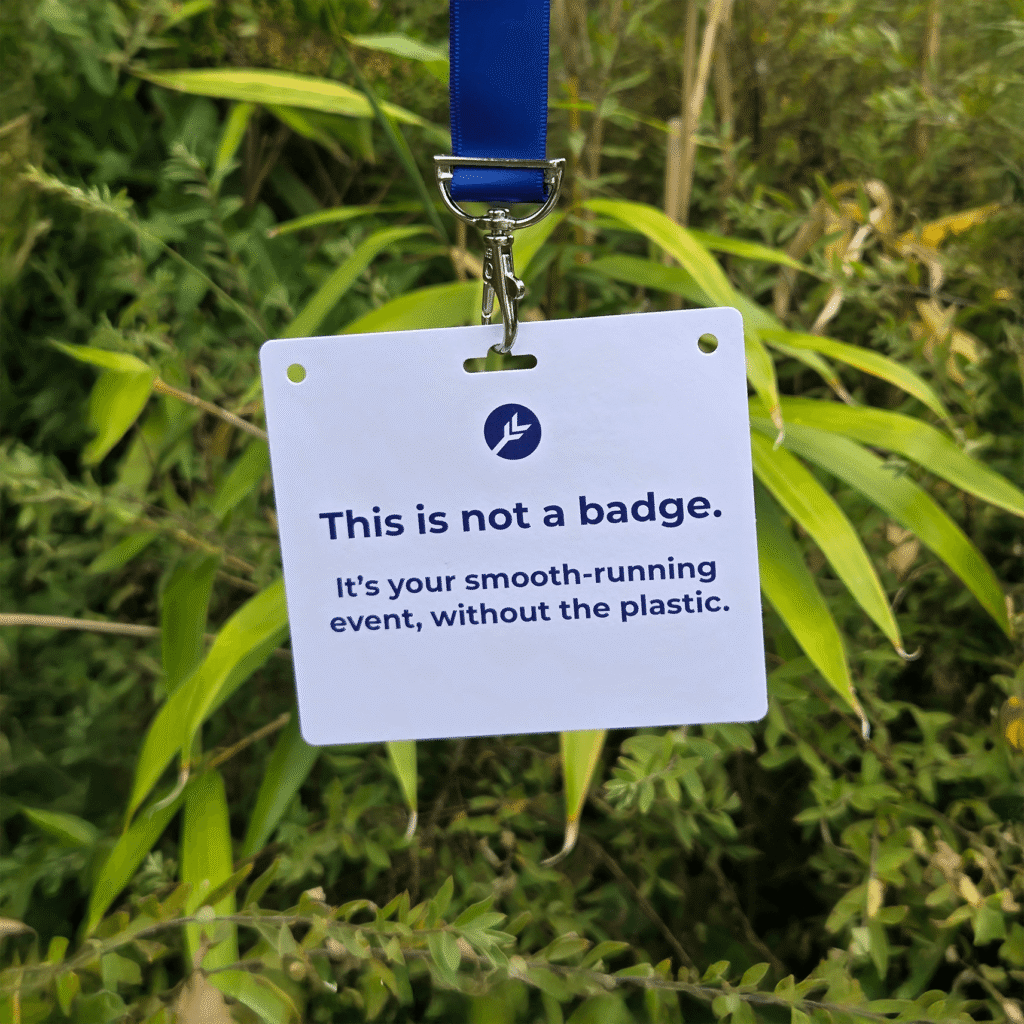
• Seed Paper Badges – Plantable, biodegradable, made from recycled pulp
• Recyclable Card Badges – no laminate
• Wooden or Cork Badges – Premium feel, reusable or compostable
• Reusable Holders + Inserts – Ideal for internal or recurring events
Lanyards:
• RPET (Recycled PET from plastic bottles)
• Bamboo Fibre Lanyards – Biodegradable and soft
• Organic Cotton or Cork Lanyards – Low-impact natural fibres
• Kraft Paper Lanyards – Recyclable, short-term use
At Hunter Operations, we supply all of the above, pre-assembled if required, to streamline on-the-day setup. Our clients also benefit from advice on matching lanyard materials to event types, attendee demographics, and post-event disposal plans.
Step 3: Go Digital Where Possible
Reducing physical materials is one of the easiest ways to cut waste.
Smart Digital Tools:
• QR code check-in via smartphones or tablets
• Event apps with schedules, maps, speaker info
• Digital receipts or tickets emailed in advance
• SMS or WhatsApp updates for session alerts
This not only reduces printed material, it also improves attendee experience with real-time updates.
Bonus Tip: If you’re using digital check-in, don’t print an attendee list “just in case”. Have one device on standby instead.
You can also integrate sustainability features into your app – such as badges for recycling participation, maps of green features, or tips on getting involved in local environmental initiatives.
Step 4: Rethink Signage and Info Points
Signage is another big waste area – especially directional or time-sensitive signs.
Sustainable Options:
• Use modular signage that can be reused across events
• Invest in retractable banners with reprintable inserts
• Use chalkboards or whiteboards for dynamic updates
• Digitise with digital screens or projections where available
Ensure print signs are:
• Recyclable (unlaminated paper or card)
• Designed to be reused (e.g. general welcome signs)
Consider displaying QR codes that link to mobile versions of schedules, maps, or exhibitor directories, which reduces the need for bulky printed materials.
Step 5: Eliminate Single-Use Plastics
Registration often involves plastic sleeves, clips, pens, bags, and giveaways.
Alternatives:
• Card-only badges (no holders)
• Metal or bamboo clips
• Branded recycled pens (if needed)
• Digital welcome packs instead of physical bags
• Sustainable merchandise (seed packets, reusable bottles, etc.)
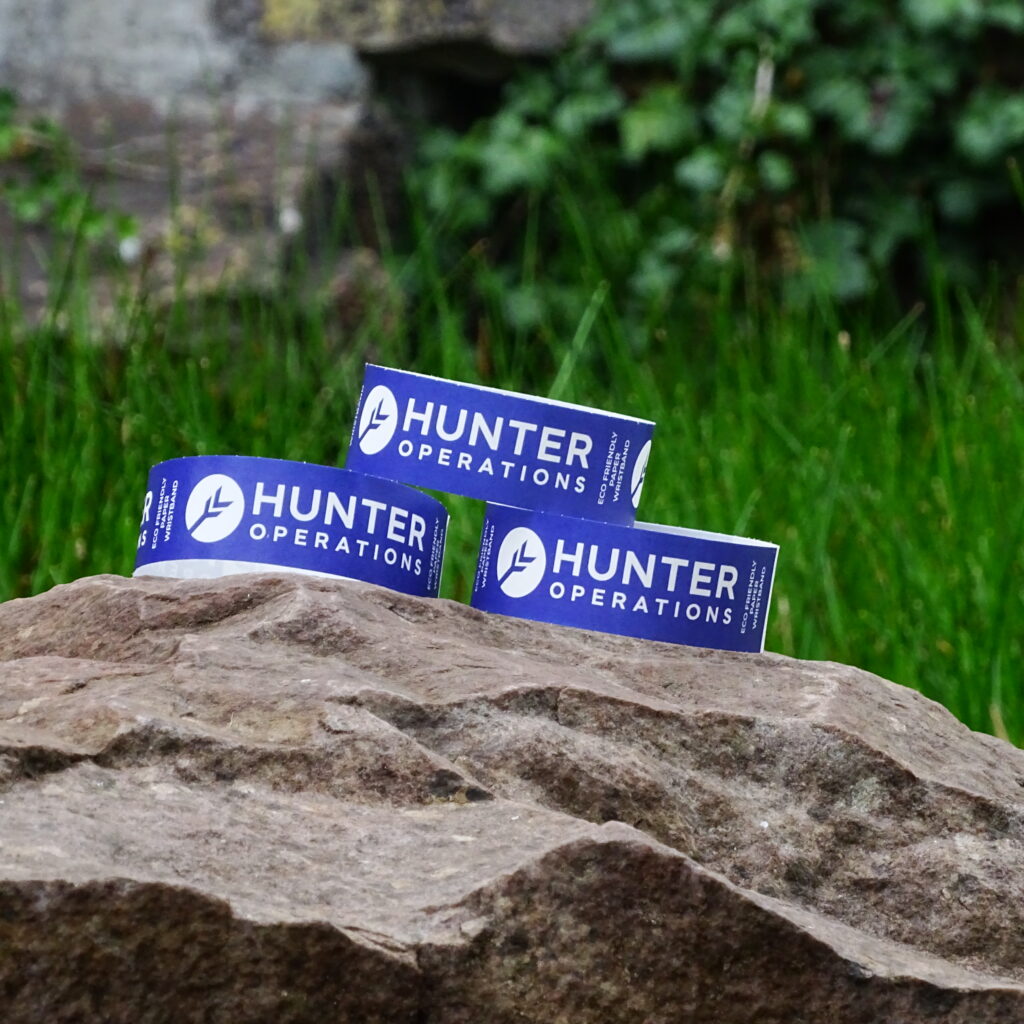
At Hunter Operations, we offer badge solutions that require no plastic holders – keeping your registration table 100% landfill-free. Our packaging uses minimal materials, and we avoid unnecessary plastic wrap, helping clients keep upstream waste low.
Step 6: Engage Attendees in the Process
A zero-waste plan is stronger when your attendees are on board.
Ways to Educate and Involve:
• Include a short note on the badge: “I’m made from seed paper – plant me!”
• Use signage at registration to highlight what makes it low-waste
• Create social hashtags (e.g. #ZeroWasteCheckIn)
• Offer collection bins for used badges or lanyards at exit points
• Encourage attendees to reuse their lanyards or return them for future use
• Use gamification: award digital points or rewards for sustainable actions
You could even include a short briefing in your pre-event comms to explain your goals and how attendees can help. Engaged participants are more likely to act responsibly – and remember your brand positively.
Step 7: Plan Post-Event Recovery
Planning for zero-waste doesn’t stop when the event begins – it continues after the final badge is collected.
What to Plan For:
• Recycling Stations for card, paper, and RPET
• Compost Collection for seed paper and organic waste
• Return Points for reusable holders or lanyards
• Surplus Management: Donate leftover materials or save for future use
Track waste output and report it:
“By switching to card-only badges and RPET lanyards, we diverted 12kg of plastic from landfill.”
Share these stats with attendees, sponsors, and internal stakeholders. Transparency builds trust – and sets a precedent for future events.
Bonus: Partner with the Right Suppliers
None of this works without the right partners. Choose suppliers who:
• Offer a range of sustainable materials
• Can pre-assemble and bulk pack to reduce waste
• Use minimal packaging
• Provide accurate lead times to avoid overordering
• Share your sustainability goals
At Hunter Operations, we work with each client to build a registration strategy tailored to their event size, goals, and environmental targets. Our print and packaging teams understand the urgency and values of modern planners.
Final Thoughts: The Registration Desk of the Future
A zero-waste registration process is no longer niche—it’s becoming the standard.
By carefully selecting your materials, digital tools, signage, and suppliers, you can dramatically reduce event waste, improve efficiency, and make a strong sustainability statement from the moment attendees arrive.
Looking ahead, we expect to see even more innovation:
• RFID-enabled reusable badges with return incentives
• Circular supply chains for lanyards and holders
• Localised printing to reduce shipping impact
• Carbon dashboards for live tracking waste savings
At Hunter Operations, we’re more than a supplier—we’re your sustainability partner. From seed paper badges to recycled lanyards, pre-assembly, packaging, and post-event collection strategies, we help clients achieve registration success without the landfill legacy.
Planning a sustainable event?
Contact Hunter Operations to discuss your zero-waste registration goals. Let’s help you deliver events that make an impact—without leaving one behind.