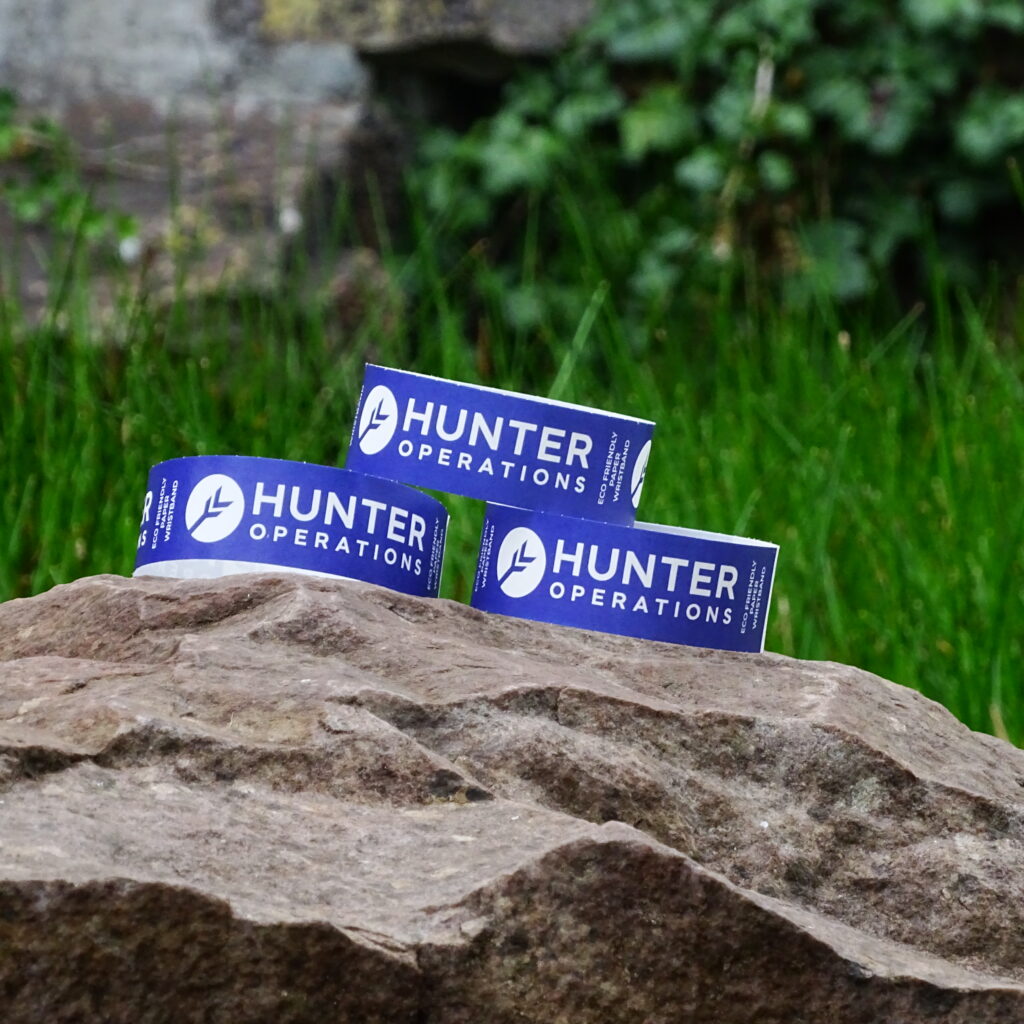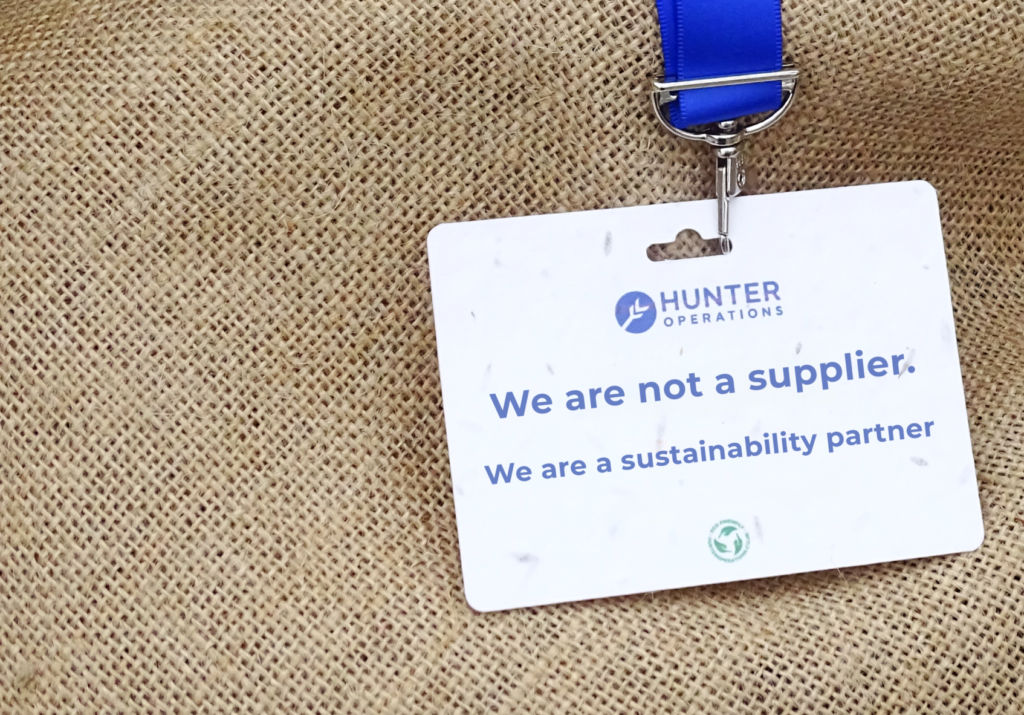
There’s a persistent myth that sustainable events planning can be hard. But it shouldn’t be difficult. In fact, the reality of the situation is that better choices are increasingly accessible, intuitive and even cost‑effective. Sustainable choices shouldn’t make your job harder; they should support it. Small choices like cutting waste or switching to better materials can make a big difference without adding complexity. In this post, we share how practical, low-effort changes can lead to big results, and how Hunter Operations’ event materials can help easily support your values.
Myth Busting: Why Sustainable Doesn’t Mean Harder
Sustainability is often seen by event organisers as extra work. Yet many green practices are practical and directly align with efficient event planning. According to ZipDo, around 60% of attendees prefer eco-friendly event options, and 80% of event professionals say sustainability initiatives improve brand image.
Studies show paper accounts for around 26 % of landfill waste, highlighting the benefits of choosing digital options and sustainable products over single‑use printed materials.
Adopting straightforward waste reduction plans can cut overall waste 30–50% compared with traditional events. This may mean swapping from your regular events supplies to products made from recycled or compostable materials – a simple change that supports your brand, your values, and your delegate experience (ZipDo).
Sustainability practices like these are part of a wider industry shift. ISO 20121, the international standard for sustainable events, offers a clear framework to help organisers embed sustainability throughout their planning (Wikipedia).
“We’ve found that what event organisers really want is clarity, not complexity. When you break it down into practical steps, sustainability becomes straightforward.”
Roland Hunter, Director of Hunter Operations
Practical Options You Can Use Today
When you think about sustainability, start with the decisions you already control. Choose badges made from recyclable or compostable materials over single‑use plastics, and make sure recycling and compost stations are clearly set up at your events.
Looking beyond waste, planners can also choose venues with sustainability systems in place. Nearly half of event venues now have sustainability certifications or initiatives (ZipDo). The standards that underpin sustainable buildings and venues (such as LEED and BREEAM certifications) are widely recognised ways to demonstrate commitment to environmental performance across energy, water and materials. Hunter Operations recently achieved ISO 14001 accreditation, strengthening our own environmental management and giving our customers even more confidence in the products they choose from us.
These everyday, practical decisions can reduce your event’s environmental impact and will reflect a more intentional approach to planning, so as not to treat sustainability as an afterthought.
The Benefits Outweigh the Effort
Greener choices can support both the success of your event and your environmental goals. Studies show that today’s audiences increasingly expect organisations to take sustainability seriously, and those that do tend to build stronger trust and brand affinity over time. According to Deloitte, nearly one in three consumers say they’ve stopped supporting brands that don’t align with their environmental values (Deloitte, 2023).
From a planning perspective, sustainability often brings practical gains too. By reducing waste, consolidating materials, and working with the right suppliers, teams can improve efficiency and reduce unnecessary spend. There’s also reputational value: aligning your event with clear sustainability actions signals professionalism and care from clients to stakeholders and attendees alike.
At the broader level, environmental impact is significant. The events sector is estimated to contribute up to 10% of global CO₂ emissions which many organisations are actively working to reduce through better design and delivery (Green.Earth).
Choosing to do better is the smarter, more resilient way to plan and resonate with people at your events.
“When sustainability isn’t an add‑on but part of day‑to‑day choices, it becomes an advantage — not an extra task.”
Roland Hunter
Running more sustainable event doesn’t have to be difficult. With simple tools, thoughtful planning and growing industry support, sustainable events are not only more achievable than ever before, they’re increasingly expected as standard. Start small, think smart, and sustainability becomes a natural part of how you plan and deliver memorable, responsible events.