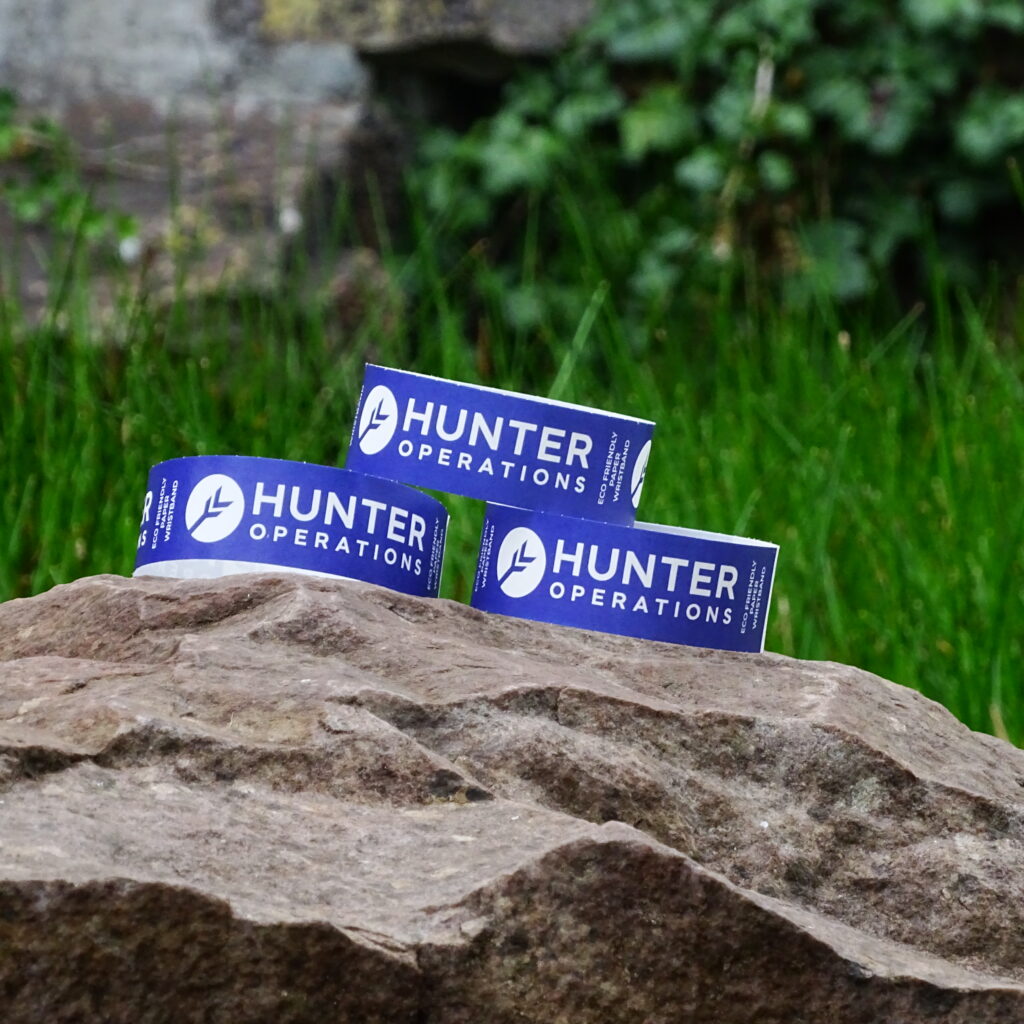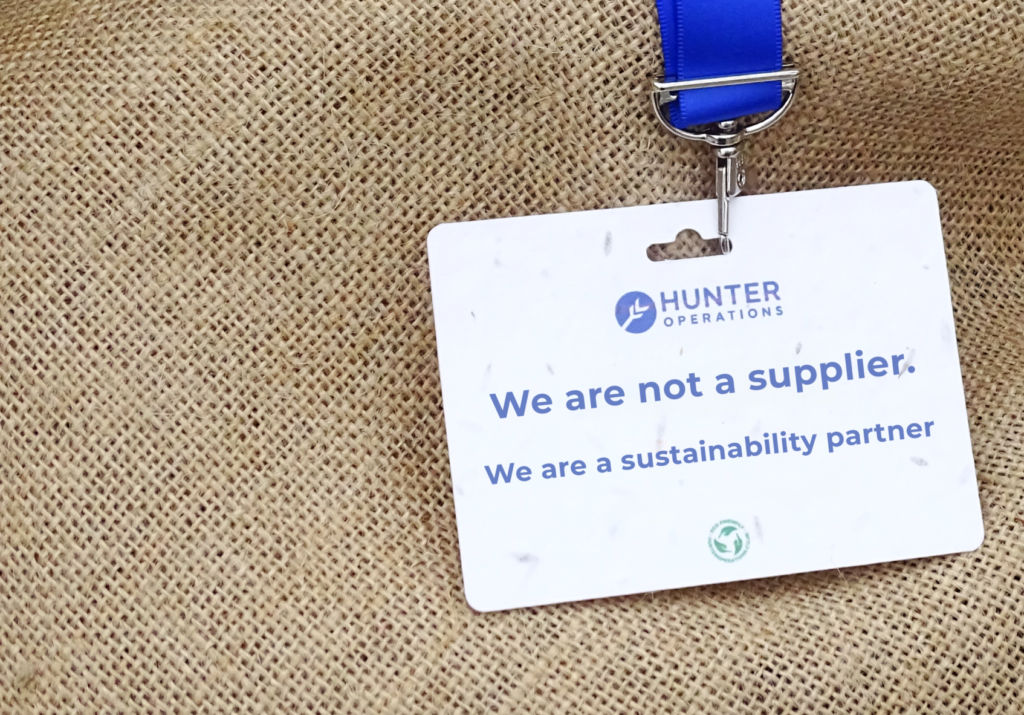
Even the smallest event details signal what your organisation stands for. Lanyards, wristbands, and badges are worn, handled, and noticed by every attendee. Choosing eco-friendly materials isn’t just about reducing waste, it’s a visible signal of values and priorities. When done thoughtfully, accreditation moves from a functional necessity to a statement of intent.
The psychology of small signals

Why every detail matters
Small objects carry big impressions. In the events world, what people first see and wear influences their perception of your brand’s priorities. Research shows events generate significant waste: about 2.5 pounds per person per day, much of it disposable materials like badges and lanyards (meetings.skift.com). Choosing your event materials thoughtfully tells attendees you value sustainability using action. ISO 20121, the international sustainability standard for events, emphasises stakeholder‑focused choices throughout planning, including materials (Wikipedia). Small visible signals, repeated across every touchpoint, reinforce trust and credibility before a single speaker takes the stage.
From RPET to bamboo: what your lanyard is made of says everything
Badges and lanyards come in a wider range of sustainable materials than many organisers realise, yet traditional versions are still chosen despite them being more difficult to recycle once an event ends. Eco alternatives include:
- Recycled PET (rPET)
- Bamboo
- Hemp
- Organic cotton
- Plant‑based fibres
All of which reduce reliance on virgin plastics and non‑renewable resources. Sustainable badge options extend even further with biodegradable seed paper badges embedded with seeds that can be planted after use, offering a clear end-of-life story rather than a waste problem. Choosing water‑based or soy‑based inks to print with further enhances sustainability and means badges can be composted or recycled without harmful residues (omgkittyclub.com). These choices do more than minimise environmental impact; they become part of a narrative that your event means what it says about environmental care.
Real‑world impact
Case studies from conscious event organisers
Event professionals are increasingly rethinking sustainable accreditation as part of wider waste reduction and engagement strategies. Reusable badge systems, for example, are increasingly used to reduce the volume of single-use materials generated across repeat events and can cut badge‑related waste significantly, with some reports noting up to 95% waste reduction over years compared with single‑use alternatives. azavista.com Plantable seed badges have shown gained attention for their interactive end-of-life, with 78% of surveyed attendees reacting positively to the concept. azavista.com
How these systems are implemented matters just as much as the materials chosen. Clear collection points, visible recycling stations, and simple guidance all improve correct disposal and reinforce the message on site. These approaches show that sustainable badges and lanyards are not just ethical choices; they are memorable experiences attendees notice, appreciate, remember and associate with credibility.
Your lanyards and badges are more than functional items. They are visible values in action. When materials and design are chosen with intention, accreditation becomes a declaration, not an afterthought and align with your sustainability goals. What people wear at your event should reflect what you stand for. That’s when sustainability becomes clear, credible, and unmistakable.