Why choosing aligned, sustainability‑led suppliers drives long‑term success for your business
In today’s responsible business landscape, the suppliers you choose say a lot about how your organisation works. No longer just transactional vendors, they’re strategic partners in delivering your sustainability commitments, brand perception and ESG compliance. Choosing organisations that align with your values creates trust, reduces risk and unlocks long‑term value. This post explores why sustainability alignment matters, how shared values in the supply chain drive better outcomes, and what customers say about partners when it’s done well.
The value of alignment
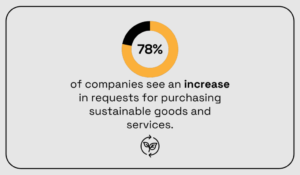
70% of companies prioritise sustainability when choosing suppliers to meet corporate sustainability goals, showing how value alignment is becoming a standard expectation by customers (Veridion).
When your supplier understands those priorities, everything runs more smoothly. You get fewer compromises, better decisions, and less back-and-forth. It also helps reduce reputational risk, supports innovation, and keeps everyone moving towards the same environmental and social targets.
Sustainable procurement often improves operations as well as benefiting the planet. Simple changes in supply chain choices can reduce waste and energy use over time (Procure Partnerships Framework). When your supplier shares the sustainability principles that matters to you, there’s more trust, clearer expectations, less friction, and more room for proactive progress. Alignment fosters mutual respect and a shared view of long‑term value beyond short‑term cost.
“A supplier shouldn’t just deliver products, they should reflect your values. That alignment makes doing the right thing easier, faster and more effective.”
Roland Hunter, Director of Hunter Operations
Procurement as partnership
Building trust into the supply chain
Sustainable procurement is increasingly recognised as strategic rather than administrative. Done well, it’s a strategic lever helping organisations build resilience, reduce risk and earn long-term trust. Choosing suppliers with clear sustainability practices can strengthen your supply chain by improving transparency, reducing exposure to social and environmental risks, and increasing confidence across stakeholders (ISO20400.org). This strategic view also brings procurement into closer alignment with ESG commitments and with growing expectations around corporate reporting and compliance.
Trust builds over time, through transparency and shared values. With around 70% of an organisation’s environmental and social impact sitting in the supply chain, those relationships matter, helping to mitigate risks linked to labour practices, regulatory compliance and climate impacts (Wikipedia).
Suppliers who see themselves as partners help you plan better, deliver on time, adapt faster with tailor-made solutions, and meet your goals more confidently, because your success is part of theirs.
Case studies: what customers say about working with Hunter Operations
Clients consistently tell us that working with a sustainability‑focused supplier changes the collaboration experience. It goes beyond meeting specifications, and means that partners help anticipate challenges, recommend better materials and support ESG goals. Sustainable procurement is an opportunity to build value together.
In many conversations, customers emphasise that sustainable suppliers have improved their ability to report environmental results and respond to stakeholder inquiries. This is reflected wider through industry insights, showing that companies that embed sustainability into procurement tend to see higher customer satisfaction and stronger loyalty over time (Procurement Tactics).
“Hunter Operations’ range of eco products are fantastic value and great for the environment. We are really proud to support businesses like this who go out of their way to provide sustainable alternatives for the events industry!”
Sophie, The Surrey Wildlife Trust
When there’s real partnership, the benefits run deeper. Reputations are strengthened, environmental impact is reduced and often creative solutions are found that would be unlikely in more transactional relationships.
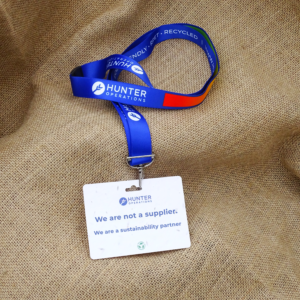
When your supplier shares your values, the relationship works better. There’s more trust, more openness, and more room to make progress while meeting environmental, social and business goals. As procurement plays a bigger role in how organisations plan events, choosing your partners wisely matters more than ever to the impact you want to make.